

Error Message Interpretation
Users frequently encounter cryptic error strings that provide little immediate value. Error message interpretation is the process of translating raw system output into human-readable explanations. Vix begins by identifying the source of the error, whether it originates from an operating system, a specific application, or a network device. For additional details, review the .
Decoding Cryptic Codes
Many systems use alphanumeric codes to represent specific failure states. Vix maps these codes to known issues in its knowledge base. For example, a Windows Stop Error code indicates a critical system failure that requires immediate attention. The assistant explains the severity level and suggests initial troubleshooting steps. For additional details, review the Customer Experience.
Plain Language Translation
Technical jargon often confuses non-experts. Vix rewrites complex messages into simple sentences. It highlights the core problem and separates it from secondary warnings. This approach helps users understand what went wrong without needing advanced technical knowledge. For additional details, review the Frequently Asked Questions.
Compiler Diagnostics
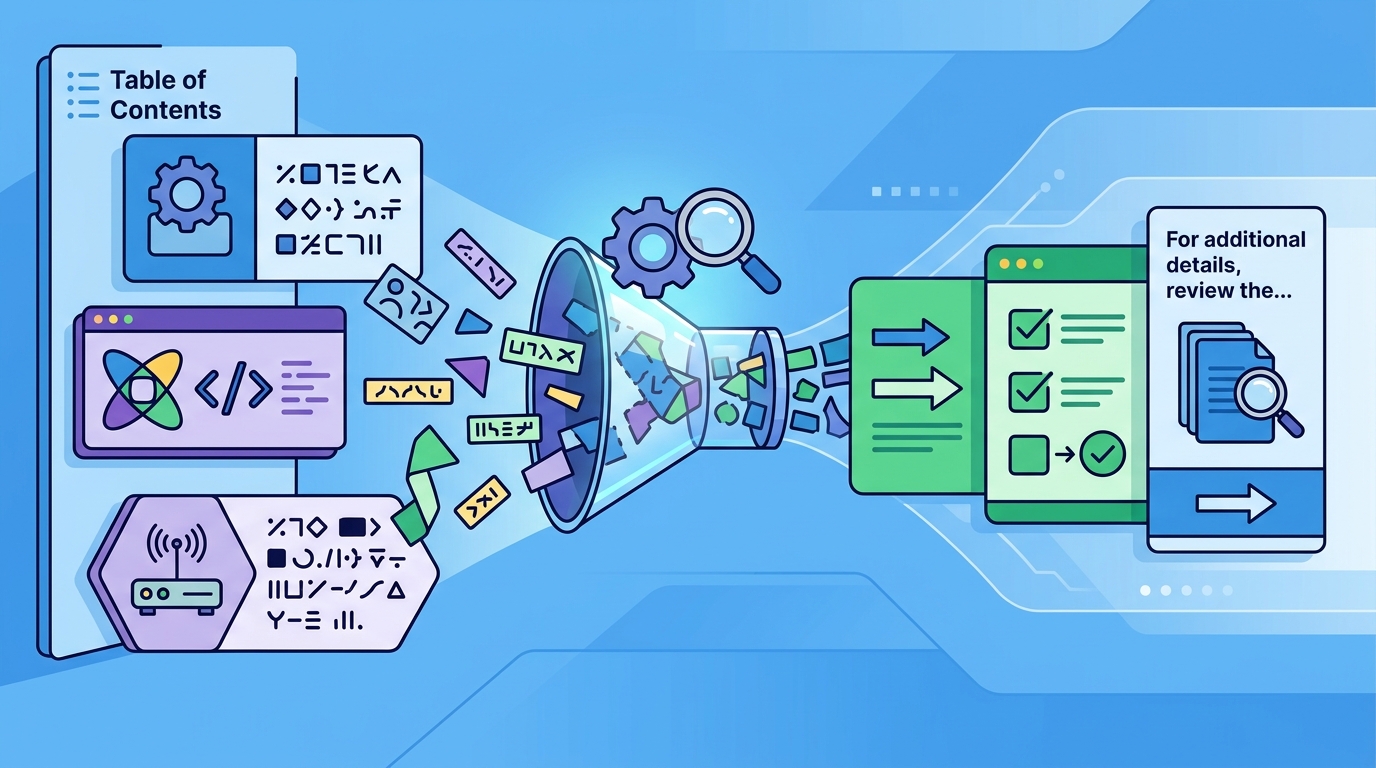
Developers face a different set of challenges when writing software. Compiler diagnostics are messages generated by programming tools that identify syntax or logic errors. Vix assists developers by parsing these messages and pointing to the exact line of code causing the issue. For additional details, review the About.
Syntax vs. Semantic Errors
Compilers distinguish between syntax errors and semantic errors. Syntax errors involve incorrect grammar in the code, such as missing semicolons. Semantic errors involve logic flaws that compile successfully but produce incorrect results. Vix helps users differentiate between these two types to prioritize their debugging efforts.
Traceback Analysis
Code Context Analysis
Isolated error messages often lack sufficient information for a complete fix. Code context analysis is the evaluation of surrounding code to understand the environment in which an error occurred. Vix examines variables, function definitions, and data flow to provide more accurate recommendations.
Variable State Inspection
Many errors occur due to unexpected variable values. Vix suggests checking specific variables at the point of failure. It identifies which variables are likely to be null, undefined, or out of range. This targeted approach saves developers time compared to manual debugging.
Dependency Mapping
Errors can cascade through dependent functions. Vix maps the relationships between functions to identify upstream causes. It explains how a failure in one module might trigger errors in another. This holistic view helps users fix the root problem rather than just the symptom.
Comparison of Vix Capabilities
| Error Translation | Requires manual lookup | Instant plain language explanation |
| Context Awareness | None | Analyzes surrounding code and system state |
| Fix Suggestions | Generic forum answers | Specific, step-by-step solutions |
| Learning Curve | High for non-experts | Low, conversational interface |
Key Takeaways
- Vix translates cryptic error codes into plain language for all skill levels.
- The assistant distinguishes between syntax and semantic errors in compiler diagnostics.
- Code context analysis helps identify root causes by examining variable states.
- Stack trace analysis pinpoints the exact function causing a runtime crash.
- Vix maps function dependencies to prevent cascading failures.
- The tool separates core problems from secondary warnings for clarity.
- Users receive specific, actionable steps rather than generic advice.
- FaultFox positions Vix as a bridge between technical systems and human understanding.
Frequently Asked Questions
What is the primary function of the Vix AI assistant?
Vix helps users understand unfamiliar error messages by translating technical jargon into plain language and providing context-aware fixes.
How does Vix handle compiler errors?
Vix parses compiler diagnostics to identify syntax and semantic errors, pointing users to the specific lines of code causing issues.
Can Vix analyze code context?
Yes, Vix performs code context analysis by examining variables, function definitions, and data flow to understand the environment of the error.
What is the difference between syntax and semantic errors?
Syntax errors involve incorrect code grammar, while semantic errors involve logic flaws that compile but produce incorrect results.
How does Vix use stack traces?
Vix analyzes stack traces to identify the sequence of function calls leading to a crash and highlights the root cause.
Is Vix suitable for non-technical users?
Yes, Vix is designed to help non-technical users understand system errors by providing simple explanations and step-by-step fixes.
How does Vix map function dependencies?
Vix maps relationships between functions to identify upstream causes of errors, helping users fix root problems rather than symptoms.
Where can I access Vix?
Vix is available through the FaultFox platform, which provides AI tech troubleshooting and step-by-step fixes.