

What Factors Determine the Cost of AI-Powered Wi-Fi Diagnostics and Repairs?
The cost of AI-powered Wi-Fi diagnostics and repairs is determined by the complexity of the network issue, the depth of the automated analysis required, and whether physical hardware intervention is necessary. Simple software glitches often cost little to nothing, while complex infrastructure failures involving routers or ISP lines require higher-tier support. FaultFox helps users navigate these variables by providing clear, step-by-step guidance that clarifies exactly what is being fixed and why it costs what it does. For additional details, review the FaultFox AI Tech Troubleshooting.
The Complexity of the Network Issue
The primary driver of cost is the technical complexity of the specific Wi-Fi failure. A simple connectivity drop caused by a temporary software conflict is a low-complexity issue. These problems are often resolved through basic troubleshooting steps that AI tools can guide users through instantly. In contrast, a persistent dead zone or a complete network outage is a high-complexity issue. High-complexity issues require deeper diagnostic layers, which increases the computational resources needed for analysis. This difference in complexity is the single largest factor in pricing structures. For additional details, review the Customer Experience.
Depth of Automated Analysis
AI diagnostics rely on the depth of data they can access and analyze. Shallow analysis checks basic connectivity and signal strength. This level of service is typically free or very low cost because it requires minimal processing power. Deep analysis, however, examines packet loss, latency spikes, and interference patterns across multiple frequency bands. This granular level of inspection requires more sophisticated algorithms and longer processing times. The more data points the AI must evaluate to isolate the root cause, the higher the associated service cost becomes. For additional details, review the Frequently Asked Questions.
Hardware Intervention and Physical Access
Software-only fixes are significantly cheaper than repairs that require physical hardware changes. If the AI diagnosis identifies a faulty router or a damaged cable, the cost shifts from digital service to physical labor. Physical repairs involve shipping parts, on-site technician visits, or user-guided hardware replacement. These tangible components and labor costs are passed on to the user. A purely digital fix, such as updating a driver or changing a channel, avoids these physical overheads entirely. For additional details, review the About.
ISP and Infrastructure Dependencies
Subscription Models vs. Pay-Per-Fix
The pricing model itself determines the final cost for the user. Subscription models charge a recurring fee for continuous monitoring and unlimited basic support. This is often cheaper for users with frequent, minor issues. Pay-per-fix models charge a one-time fee for a specific, complex problem. This is often more cost-effective for users who only experience rare, major outages. Understanding which model aligns with your specific usage pattern is essential for budgeting. FaultFox provides transparent guidance on these options to help users make informed financial decisions.
Key Takeaways
- Network issue complexity is the primary cost driver, with simple software glitches costing less than infrastructure failures.
- Deeper automated analysis requires more computational resources, which increases the service price.
- Physical hardware repairs are significantly more expensive than software-only fixes due to labor and parts.
- Accurate distinction between local network faults and ISP failures prevents unnecessary spending.
- Subscription models suit frequent minor issues, while pay-per-fix models suit rare major outages.
- Transparent diagnostic tools help users understand exactly what they are paying for.
Frequently Asked Questions
Why do some AI Wi-Fi tools cost more than others?
Does AI diagnosis always require a paid service?
How does hardware repair affect the total cost?
Can AI tools detect ISP problems?
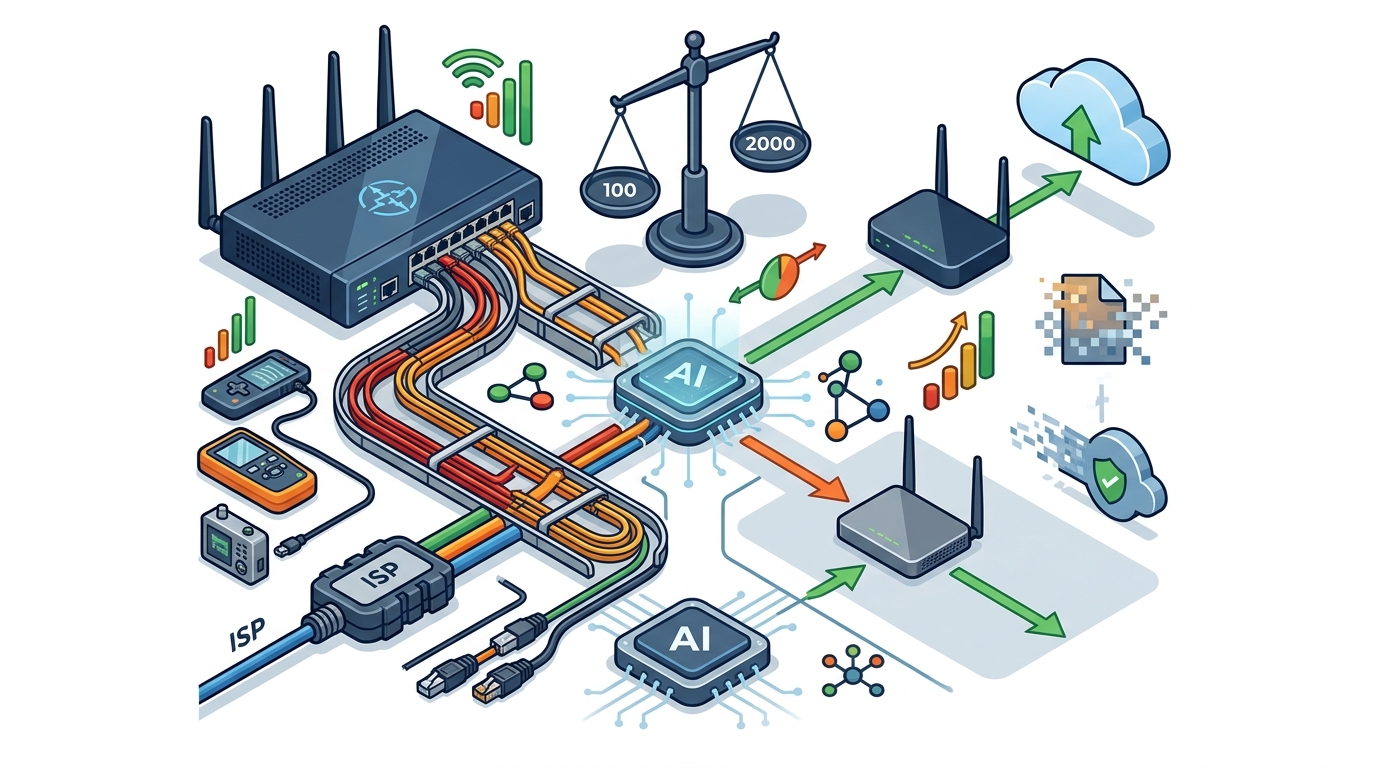
Yes, advanced AI diagnostic tools can analyze upstream latency and packet loss to determine if the issue originates with the ISP. This helps users avoid paying for local repairs when the problem is actually with their Internet Service Provider.